
Apartment Underwriting
Older apartment buildings: how to document the updates that matter
Published · Updated · by Palm Trinity Insurance
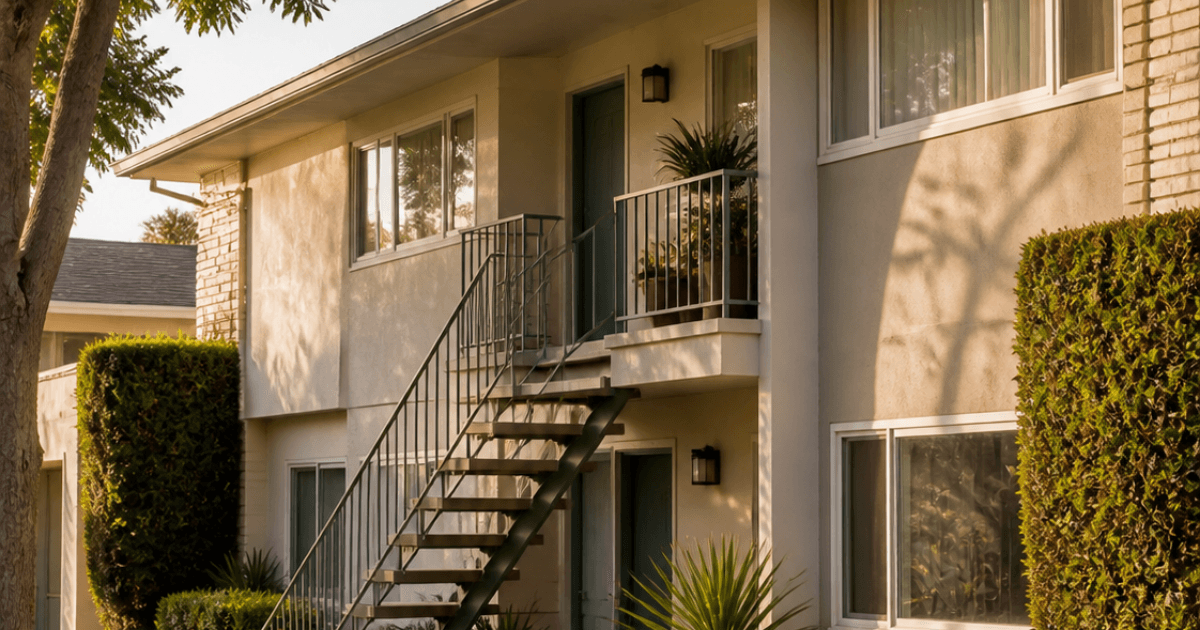
Treat the original year as a prompt for evidence
An older construction date does not describe every system in the building today. The useful follow-up is what was updated, when, to what scope, by whom, and what documentation supports it.
Build a chronology rather than a marketing paragraph. Separate full replacements from partial repairs, and separate completed work from planned work. If the exact date or scope is unknown, say so and identify what can still be verified.
Organize updates by building system
Roof: record the installation or major-repair date, material, contractor, warranty, permits, and any inspection. Electrical: describe service, panels, wiring, unit-level work, and the scope of any replacement. Plumbing: distinguish supply lines, drain or waste lines, water heaters, shutoffs, and leak-detection measures.
Fire and life safety: gather sprinkler, alarm, extinguisher, hood-system, emergency-lighting, and inspection records that apply to the property. Also document heating, seismic, balcony, stair, elevator, security, and other material work when relevant.
Use records that another person can follow
Invoices, permits, signed contracts, warranties, inspection reports, dated photographs, and repair-completion letters are stronger than an unsupported statement that a system is “updated.” Keep the records labeled by building and system.
If work was completed across several years or only in selected units, say that clearly. A reviewer needs to understand the actual scope, not infer that every component was replaced at once.
Connect the update history to the rest of the submission
Pair the chronology with accurate construction, occupancy, valuation, loss history, current coverage, inspection recommendations, and renewal timing. A building with good update records can still have other underwriting questions; the chronology simply gives those questions better context.
Carrier appetite and requirements vary. Ask your licensed broker which documents the intended markets need and whether any open repair or recommendation must be completed before binding.
Turn the update history into a cleaner starting file.
Share the building's age, construction, unit count, and ZIP. A Palm Trinity insurance professional will review the information and contact you about what is needed to pursue quote options.